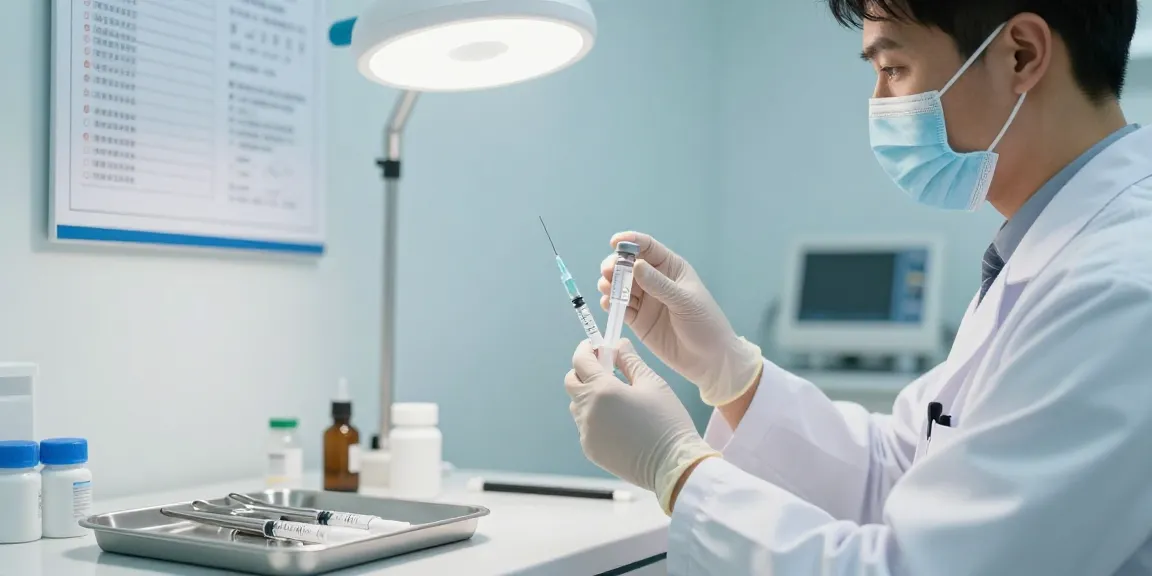
Understanding the Role of the Medicine Syringe in Healthcare
In the realm of healthcare, precision and safety are paramount, and the medicine syringe plays a critical role in ensuring both. This essential tool is not only a means of delivering medication but also a factor in enhancing patient outcomes. Understanding the intricacies of medicine syringes, their usage, and the best practices surrounding them is vital for healthcare professionals and caregivers alike.
What is a Medicine Syringe?
A medicine syringe is a device used to accurately measure and administer liquid medications. These instruments can come in various sizes and types, typically made of plastic or glass, and are designed for single-use or multiple uses depending on the type. Syringes consist of a cylindrical barrel, a plunger for drawing and pushing out the medication, and a tip that may be attached to a needle. The precision of a medicine syringe makes it invaluable in clinical settings, ranging from hospitals to home healthcare.
Common Uses of Medicine Syringes
Medicine syringes are utilized in a variety of medical scenarios, including:
- Vaccinations: Syringes are essential for administering vaccines, ensuring precise dosages are delivered to patients.
- Injections: They are used for subcutaneous, intramuscular, and intravenous injections, allowing healthcare providers to deliver medications effectively.
- Feeding: For patients who cannot swallow, syringes can be used to deliver liquid nutrition directly into the mouth or through a feeding tube.
- Medications: Dispensing oral liquid medications can be done using syringes, particularly for infants or individuals who require precise dosing.
Key Types and Features of Medicine Syringes
When it comes to selecting a medicine syringe, various types and features cater to specific medical needs:
- Standard Syringe: Commonly used in hospitals, these syringes are typically marked with milliliters and are available in multiple sizes.
- Insulin Syringe: Designed specifically for diabetes management, these syringes allow for precise measurements of insulin dosages.
- Safety Syringe: Features mechanisms to prevent needle stick injuries, enhancing safety for healthcare providers.
- Pre-filled Syringe: Comes with the medication already contained, offering convenience and reducing preparation time.
Best Practices for Safely Using Medicine Syringes
Ensuring safety and efficacy when using medicine syringes is crucial. Following best practice guidelines can prevent medication errors and safeguard patient health.
Steps for Proper Preparation and Handling
Healthcare professionals must adhere to specific protocols for the preparation and handling of medicine syringes:
- Wash Hands: Always wash hands before handling syringes to minimize the risk of infection.
- Inspect Syringes: Check syringes for damages and ensure they are sterile before use.
- Choose the Right Syringe: Select a syringe that aligns with the medication dosage and route of administration.
- Draw Medication Correctly: Follow established protocols for drawing medicine into the syringe to avoid air bubbles and ensure accurate dosing.
Training Healthcare Professionals on Syringe Use
Ongoing education and training for healthcare professionals are vital to ensure competency in syringe use. Regular workshops and training sessions can cover:
- Proper techniques for drawing up medication.
- Understanding different types of syringes and their applications.
- Safety practices to prevent needle stick injuries.
Reducing Risks of Infection and Improper Dosage
Implementing stringent safety practices can significantly reduce the risks associated with syringe use:
- Using single-use syringes wherever possible.
- Always discarding used syringes in designated sharps containers.
- Regularly reviewing dosage calculations to minimize errors.
Innovations and Trends in Syringe Technology
The field of medical syringes is evolving with advancements in technology that enhance patient care and safety. Keeping abreast of these changes is essential for healthcare providers.
Advancements in Safety Features
Recent innovations have introduced features such as:
- Safety Mechanisms: Syringes now include retractable needles or safety shields that protect healthcare workers from needle stick injuries.
- Smart Syringes: These syringes can track dosage and alert users to potential errors through connected devices.
Emerging Trends for Enhanced Patient Care
Trends indicate a movement towards more patient-centric syringe designs, including:
- Syringes with Integrated Dosing Units: Allowing for easier administration and less chance of error, particularly in home care settings.
- Customizable Syringes: Catering to specific patient needs, such as neurological or pediatric requirements.
Regulatory Changes Affecting Syringe Design
Keeping up with regulatory changes is essential to ensure compliance and patient safety. The FDA and other regulatory bodies are actively involved in reviewing and establishing guidelines for:
- Manufacturing standards.
- Labeling requirements that prevent misuse.
Addressing Common Challenges with Medicine Syringe Use
Despite their importance, there are challenges that complicate the effective use of medicine syringes.
Misconceptions About Syringe Safety
There is a persistent myth that all syringes are equally safe. In reality, understanding the differences in safety features can help both patients and providers make informed choices.
Overcoming Barriers to Proper Training
Lack of resources can hinder the training of healthcare professionals in proper syringe usage. Implementing structured training programs can overcome these barriers.
Strategies for Ensuring Compliance with Guidelines
Ensuring adherence to best practices requires:
- Regular audits of syringe use in clinical settings.
- Encouraging a culture of safety where staff feel comfortable reporting issues.
- Implementing reminders and checklists for proper procedures.
Future of Medicine Syringes and Healthcare Practices
Looking toward the future, the role of medicine syringes in healthcare is poised for transformation influenced by technology and patient needs.
Predictions for Healthcare Innovations in 2026
By 2026, we can expect several innovations, such as:
- Greater integration of technology, with syringes that can communicate directly with electronic health records.
- More personalized medicine delivery systems that cater to individual patient profiles.
The Role of Technology in Syringe Usage
As technology advances, we anticipate a rise in:
- Automated dispensing systems that reduce human error.
- Data analytics to monitor usage patterns and improve efficiency.
Preparing for Evolving Patient Needs and Expectations
Healthcare providers will need to adapt to an increasingly informed patient population. This includes:
- Providing clear instructions for patients involved in their own care.
- Utilizing feedback mechanisms to enhance syringe usability and design.