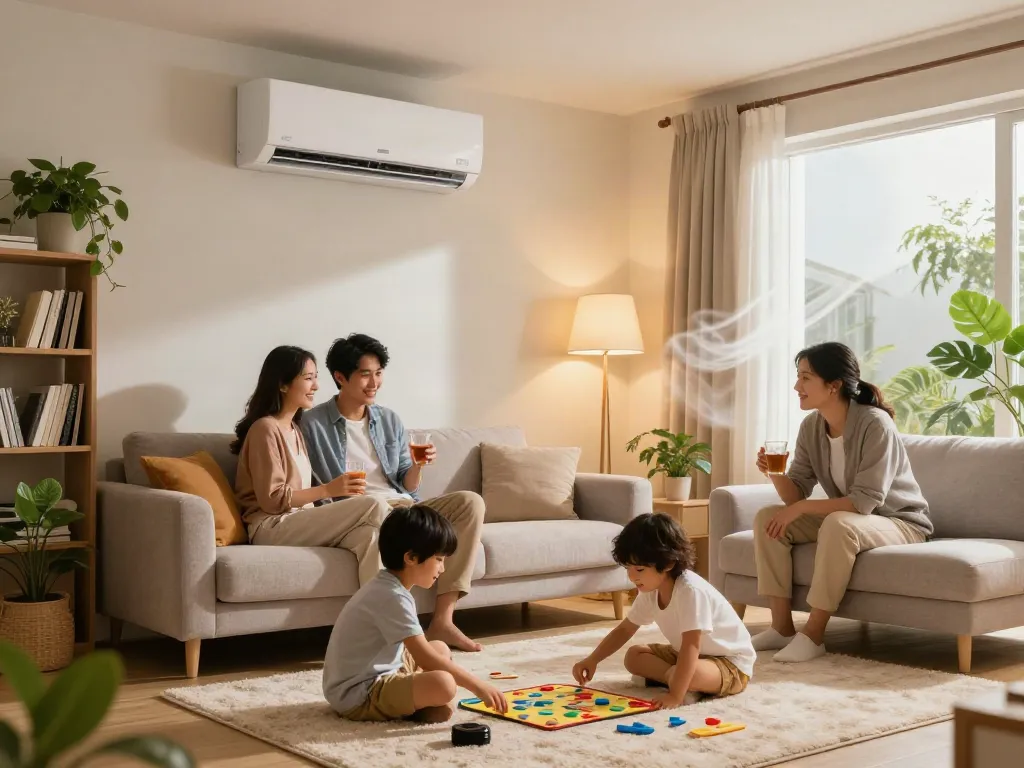
Understanding Ductless AC Systems
As homeowners look for efficient and flexible climate control solutions, ductless ac systems have emerged as a leading choice. These systems not only offer heating and cooling capabilities but also do so without the need for bulky ductwork. This article explores the mechanics, advantages, and considerations of ductless AC systems, ensuring you are well-informed and ready to make the best decision for your space.
What is a Ductless AC?
A ductless air conditioner, often referred to as a mini-split system, consists of two primary components: an outdoor compressor unit and one or more indoor air handling units. This design allows for the direct distribution of air to different zones in a home without relying on traditional ducting systems. This makes ductless AC an ideal solution for homes without existing ductwork or for targeted cooling in specific areas.
Components of a Ductless System
- Outdoor Unit: The compressor unit is installed outside your home and is responsible for circulating refrigerant to the indoor units.
- Indoor Unit: These units are mounted on walls or ceilings and handle air distribution while providing both cooling and heating capabilities.
- Refrigerant Lines: Copper tubing connects the outdoor and indoor units, allowing for the exchange of refrigerant.
- Remote Control: Most systems come with a remote to easily adjust temperature settings, fan speed, and mode.
Benefits Compared to Traditional Systems
Ductless AC systems offer several advantages over conventional HVAC systems. Here are some key benefits:
- Energy Efficiency: Ductless systems are known for their high SEER (Seasonal Energy Efficiency Ratio) ratings, leading to significant energy savings over time.
- Zoned Cooling: Homeowners can control temperatures in individual rooms, providing comfort where it’s needed most while reducing energy consumption in unoccupied areas.
- Reduced Installation Costs: Without the need for ductwork, installation tends to be faster and more cost-effective.
- Improved Air Quality: Ductless systems help reduce allergens and dust in the home, as there are no ducts to trap and circulate these contaminants.
Common Misconceptions About Ductless AC
Even with their growing popularity, there are several misconceptions about ductless AC systems. Understanding these can help potential buyers make informed decisions.
Myths Surrounding Energy Efficiency
One common myth is that ductless systems waste energy. In reality, many ductless AC units are designed with inverter technology, which allows them to adjust their output based on current cooling needs, thus optimizing energy consumption.
Noise Levels vs. Performance
Some people assume that ductless systems are noisy due to their compact size. However, modern mini-split systems are designed for quiet operation, with sound levels comparable to a library, allowing for comfortable living spaces without disruptive noise.
Installation Challenges Explained
While installation may appear daunting, ductless systems are generally easier to set up than traditional systems. Professional installers can complete the setup with minimal disruption to your home, often within a few hours.
Best Practices for Ductless AC Maintenance
To keep your ductless AC running efficiently, regular maintenance is essential. Here are some best practices:
Regular Cleaning and Filter Replacement
Cleaning the outdoor unit and replacing the air filters frequently ensures optimal airflow and efficiency. Most manufacturers recommend checking and cleaning filters every month, especially during peak usage seasons.
Professional Inspections and Tune-Ups
Annual inspections by a qualified HVAC technician can catch potential issues before they escalate. Regular tune-ups include checking refrigerant levels, inspecting electrical components, and ensuring that the system operates within optimal parameters.
Winter Preparation and Storage Tips
In colder climates, it's crucial to protect your outdoor unit during winter. Consider installing a cover to shield it from snow and ice accumulation, which can impair functionality.
Cost Considerations for Ductless AC Systems
When considering a ductless AC system, it's essential to weigh the initial investment against long-term savings. Here’s what to consider:
Initial Investment vs. Long-Term Savings
While the upfront cost of a ductless system may be higher than traditional AC units, the energy savings and reduced maintenance costs can lead to significant savings over time.
Understanding Installation Costs
Installation costs can vary based on the number of indoor units and the complexity of the installation. However, the absence of ductwork generally reduces the overall installation expense compared to traditional systems.
Financing Options for Homeowners
Many retailers and manufacturers offer financing options that can make the initial cost of a ductless AC system more manageable, allowing homeowners to enjoy the benefits without overwhelming upfront costs.
Future Trends in Ductless AC Technology
As technology evolves, ductless AC systems are expected to incorporate more advanced features and enhancements.
Smart Technology Integration
Many modern ductless systems come equipped with smart technology, allowing users to control their AC remotely via smartphones and smart home systems. This not only enhances convenience but also contributes to energy management.
Energy Efficiency Innovations
New technologies are constantly being developed to improve energy efficiency, including advanced inverter systems and eco-friendly refrigerants that minimize environmental impact.
Market Predictions for 2026 and Beyond
Market analysis suggests that the demand for ductless AC systems will continue to grow, driven by rising energy costs and consumer preference for customizable climate solutions. Innovations in efficiency and usability will likely remain at the forefront of product development.
What are the advantages of ductless AC systems?
Ductless AC systems offer numerous advantages, including energy efficiency, reduced installation costs, and improved air quality. They allow for zoned cooling, providing comfort tailored to specific areas of a home.
How do I maintain my ductless AC for optimal performance?
Regular filter changes, annual professional inspections, and proper cleaning of the outdoor unit are essential maintenance tasks. Following these best practices ensures long-lasting performance and efficiency.
What are the common issues with ductless AC systems?
Common issues can include refrigerant leaks, electrical problems, and inadequate drainage. Regular maintenance can help prevent these issues from arising.
How does ductless AC compare to traditional HVAC systems?
Ductless AC systems offer higher energy efficiency, reduced installation costs, and greater flexibility in climate control compared to traditional HVAC systems, which require extensive ductwork.
What should I consider before installing a ductless AC?
Before installation, assess your home’s layout, consider the number of zones you wish to cool or heat, and explore your budget. Consulting with an HVAC professional can provide tailored options to meet your needs.